
Trades companies can stay busy and still lose control of the financial story.
The schedule is full. Crews are moving. Revenue is growing. But the owner is still trying to connect job closeout, billing, AR, labor capacity, materials, pricing, and cash timing fast enough to know what the next move should be.
Backbone CFO® provides fractional CFO services for growing trades businesses, including HVAC, roofing, plumbing, electrical, mechanical, glass and glazing, and specialty trade companies that need stronger financial leadership before growth creates more guesswork.
CFO support for growing trades companies between $10M and $50M in revenue where job profitability, labor capacity, billing discipline, and cash timing are too important to manage from last month’s reports
Most trades businesses do not hit a financial ceiling because the work disappears.
They hit it because the work gets harder to see clearly.
A roofing company may have crews booked, but still not know whether materials, subcontractors, closeout delays, and AR timing are protecting margin or eating it.
An HVAC company may have technicians in the field, but service, install, maintenance agreements, truck inventory, and labor capacity may all behave differently from a cash and profit standpoint.
A glass and glazing company may have strong demand, but commercial projects, high-end residential work, and repeatable service jobs do not all create the same billing rhythm, margin profile, or owner capacity.
That is the financial leadership ceiling.
The owner can still feel what is happening in the field, but the numbers are no longer organized well enough to support the next decision.
Backbone CFO helps trades businesses build the financial structure needed to see cash, margin, job profitability, labor capacity, and growth decisions before the business is forced to react.
Every engagement leads to business owners having a strategic partner that brings a data-driven perspective and clear recommendations to the table that drive towards achieving business and personal goals. That strategic partner is often a dedicated fractional CFO focused on growth.
Signs Your Trades Business Needs a Stronger Finance Seat
Growth usually creates more decisions before it creates more clarity. If the owner is still connecting cash, margin, labor, pricing, and job performance manually, the finance seat may need to evolve.

Revenue is up, but cash is tight
Payroll, vendor payments, taxes, credit limits, materials, and equipment needs hit before the cash picture is clear.

Work mix is changing
Service, install, maintenance, project, commercial, residential, and specialty work do not all create the same cash timing or margin profile.
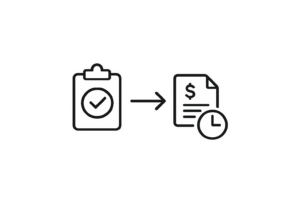
Job profit is hard to trust
Jobs are sold, completed, and billed, but materials, labor, subcontractors, callbacks, or closeout timing make the real margin harder to see.
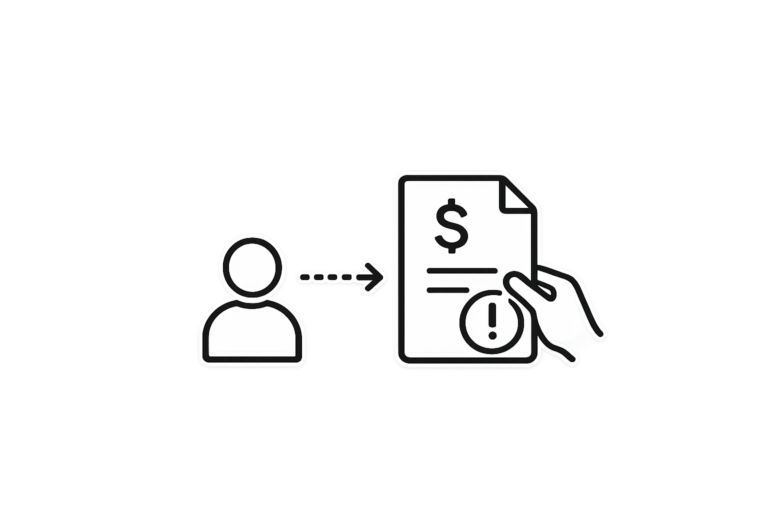
Pricing discipline is inconsistent
Margins leak when estimates change, managers override pricing, materials move, or certain work is taken just to keep the schedule full.

The owner is still the finance bridge
The team has reports, but the owner is still the one translating cash, AR, job performance, and growth decisions into action.
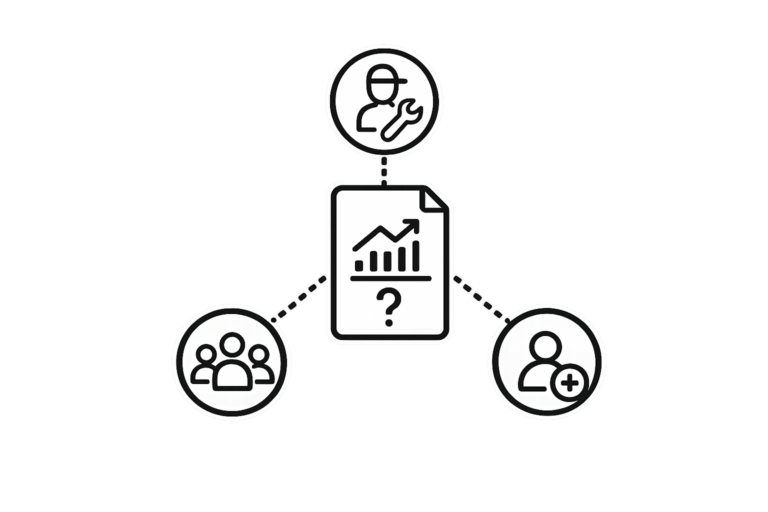
Labor capacity is driving decisions
Hiring technicians, adding crews, promoting leads, or buying trucks requires a forecast the owner can trust.
These are not signs that the business lacks effort. They are signs that growth has created a new level of financial complexity.
What CFO-Level Support Solves for Trades Businesses
Backbone CFO helps trades owners move from financial reaction to financial control. The work is not just closing the books. It is helping leadership connect the numbers behind cash, job profitability, labor capacity, pricing, billing, and growth decisions.
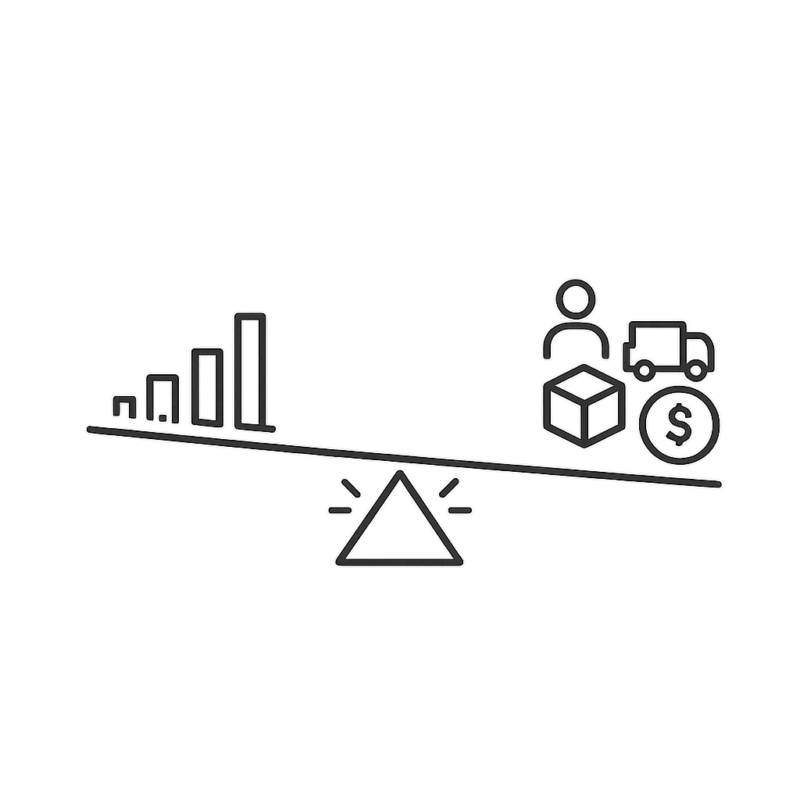
Cash flow visibility
Know what cash is coming in, what is already committed, and which jobs or timing issues may create pressure before they hit the bank balance.

Job profitability and work mix
See which types of work protect margin, which consume capacity, and where pricing, materials, labor, or execution needs attention.

Billing, closeout, and AR discipline
Understand where cash gets stuck between work completed, jobs closed, invoices sent, and money collected.

Labor and capacity planning
Tie hiring, crews, technicians, vehicles, equipment, and managers to a forecast the business can actually support.
Forecasting and leadership decisions
Use forward-looking models to evaluate pricing, debt, equipment, inventory, expansion, and growth before committing cash.

Finance team support and owner relief
Support the bookkeeper or controller while giving the owner stronger financial leadership around what to do next.
What CFO-Level Support Looks Like in Real Trades Businesses
Why Trades Businesses Choose Backbone CFO
Most trades owners do not need more financial noise. They need someone who can connect the numbers to the decisions the business is already making.
A bookkeeper records what happened. A controller improves accuracy and close discipline. A CFO helps leadership decide what to do next.
For a trades business, that means using financial information to make better decisions around cash timing, job profitability, labor capacity, pricing, materials, AR, equipment, and growth.
Backbone CFO is built for owner-led companies that have outgrown reactive reporting. Our Financial Control Framework turns scattered financial questions into a clearer operating rhythm across Cash, Profit, People, Systems, and Position.

Understand the Current State
We review the business across revenue, cash, job profitability, labor capacity, pricing, systems, AR, billing, materials, equipment, and growth goals.

Diagnose the Financial Control Gaps
We identify what leadership cannot see clearly enough today, whether that is cash timing, job margins, work mix, labor utilization, inventory, AR, or forecasting.
Build the Forward-Looking Structure
This may include a 13-week cash forecast, rolling projection, job profitability views, pricing and margin analysis, service-line reporting, AR rhythm, KPI dashboards, or better finance-to-operations reporting.
Support Leadership Through Monthly Execution
Backbone participates through strategy sessions, sync calls, accountability, forecast updates, and CFO guidance so leadership can make decisions before issues become urgent.
Growth Should Create Control, Not More Guesswork
If your trades business is growing, cash strain, margin confusion, slow job closeout, unclear job profitability, or capacity pressure do not always mean something is broken. Sometimes they mean the company has reached a new level of complexity.
The reports that were good enough at $5M may not support the decisions required at $10M, $20M, or beyond. Cash, labor, pricing, materials, job profitability, AR, equipment, and capacity decisions need a stronger finance seat.
Book a Discovery Call with Backbone CFO to see what fractional CFO services for trades businesses could look like for your next stage of growth.
Resources for Growing Trades Businesses




FAQs About Fractional CFO Services for Trades Companies
What Are Fractional CFO Services for Trades Businesses?
Fractional CFO services for trades businesses give owners CFO-level financial leadership without hiring a full-time CFO. For roofing, HVAC, plumbing, electrical, carpentry, painting, and other specialty trades companies, that often means better forecasting, job profitability reporting, cash flow visibility, pricing support, AR discipline, labor planning, and leadership decision support.
When Does a Trades Business Need a Fractional CFO?
A trades business may need a fractional CFO when revenue is growing, but cash timing, job profitability, labor capacity, pricing, AR, equipment, or hiring decisions still depend too much on the owner. The need usually shows up when reports exist, but leadership still cannot make decisions confidently from the numbers.
How Does a Fractional CFO Help With Cash Flow in a Trades Business?
A fractional CFO helps trades businesses understand what cash is coming in, what cash is already committed, and where pressure may show up next. That may include payroll timing, materials, vendor balances, AR aging, job closeout, equipment purchases, taxes, credit limits, deposits, and upcoming hiring or growth decisions.
How Does CFO Support Improve Job Profitability?
CFO support improves job profitability by helping leadership see which work is actually producing margin. In trades businesses, that can mean reviewing labor, materials, subcontractors, callbacks, pricing overrides, closeout timing, service versus install mix, project margins, and whether certain work is consuming more capacity than it returns.
How Can a Fractional CFO Help Specialty Trade Companies like Roofing, HVAC, or Electric?
A fractional CFO helps specialty trade companies connect financial reporting to the way the business actually operates. For roofing, that may mean crews, materials, closeout, AR, and job margin. For HVAC or plumbing, it may mean technicians, service agreements, inventory, install work, and capacity. For glass or glazing, it may mean project mix, billing rhythm, and owner dependence.
Is a Fractional CFO Different From a Bookkeeper or Controller?
Yes. A bookkeeper records transactions. A controller improves accuracy, accounting process, and close discipline. A fractional CFO helps leadership use the numbers to make forward-looking decisions around cash, profit, people, systems, pricing, hiring, equipment, and growth.
Can a Profitable Trades Business Still Have Cash Flow Problems?
Yes. A trades business can look profitable on paper and still feel cash pressure. Cash can get tied up in slow billing, AR, job closeout, materials, inventory, payroll timing, equipment, vendor balances, or work that is profitable but slow to collect. Profit and cash are related, but they are not the same thing.