
A construction company can have strong revenue, active jobs, and a healthy backlog, but still feel like the financial picture is harder to trust than it should be.
Cash gets tied up in WIP, underbilling, billing timing, job costs, payroll, and growth decisions that need a stronger forecast behind them.
Backbone CFO® provides fractional CFO services for construction companies that need clearer financial leadership around cash flow, job profitability, banking, bonding, forecasting, and the next stage of growth.
Trusted by privately owned construction companies doing $10M+ in revenue. We have helped construction leaders improve month-end close, strengthen job-level reporting, and prepare for larger banking and bonding conversations.
Why Construction Growth Gets Harder to Manage From Last Month’s Reports
Construction companies rarely stall because the owner forgot how to sell work. More often, the business grows faster than the finance seat can support.
Jobs get larger. Crews expand. Billing timing matters more. WIP schedules become harder to trust. Labor costs shift. Underbilling can hide inside active work.
The backlog may look strong, but leadership still needs to know whether the work is profitable, fundable, and safe to keep pursuing.
The bank balance only shows what cash is available today. It does not show whether active jobs are properly billed, whether the next wave of work can be staffed, or whether the company has the reporting structure needed for banking, bonding, and growth decisions.
Signs Your Construction Business Has Outgrown Its Finance Setup
If the business is growing but decisions around cash, WIP, backlog, hiring, equipment, banking, bonding, or forecasting still depend too much on the owner, the finance seat may need to evolve.

Revenue is up, but cash is still feeling tight
Jobs are moving, but billing timing, payroll, vendor payments, debt, or underbilling are creating pressure.
Month-end close takes too long
Financials arrive too late to support timely decisions around jobs, cash, hiring, or backlog.
No one owns the forward-looking finance seat
You may have a bookkeeper or controller, but still lack CFO-level support for what comes next.
WIP and backlog are hard to trust
Active jobs, underbilling, backlog, and pipeline are showing up in leadership meetings without clear answers.
Hiring and equipment decisions rely on gut feel
Crews, project managers, vehicles, equipment, or expansion decisions are being made without a reliable forecast.
The owner is still translating the numbers
The team has reports, but the owner is still connecting sales, operations, finance, and cash manually.
Banking & bonding conversations need support
Lenders and bonding partners need reporting, forecasts, job-level detail, and financial structure they can trust.

Growth opportunities are showing up
Leadership needs to know whether the company has the cash, margin, people, systems, and bonding capacity to pursue them safely.
These are not signs that the business lacks effort. They are signs the finance function needs to mature with the company.
What CFO-Level Support Solves for Construction Companies
Backbone CFO helps construction companies move from financial reaction to financial control. The work is not just reporting. It is connecting cash, WIP, backlog, job margin, banking, bonding, forecasting, and leadership decisions into one operating rhythm.

Cash flow visibility
See what cash is coming in, what is already committed, and where job timing, payroll, vendor payments, or debt may create pressure.

WIP, backlog, and underbilling
Understand how active jobs, billing timing, underbilling, backlog, and pipeline affect cash and profitability.
Job profitability and cost structure
Connect labor, materials, subcontractors, expenses, and gross profit by job so leadership can see where margin is actually being made or lost.

Forecasting and growth planning
Use forward-looking models to evaluate hiring, equipment, debt, expansion, backlog, and growth before committing cash.

Banking and bonding support
Prepare stronger reporting, forecasts, job-level detail, and financial structure for lender, credit, and bonding conversations.

Finance team support and owner relief
Support the bookkeeper or controller while giving leadership stronger CFO-level guidance around what to do next.
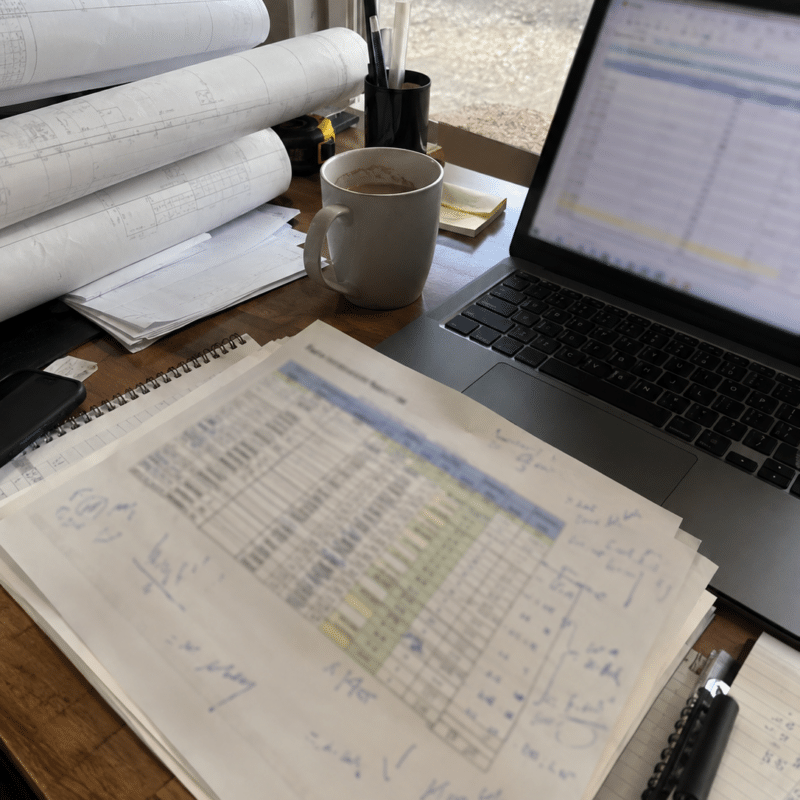
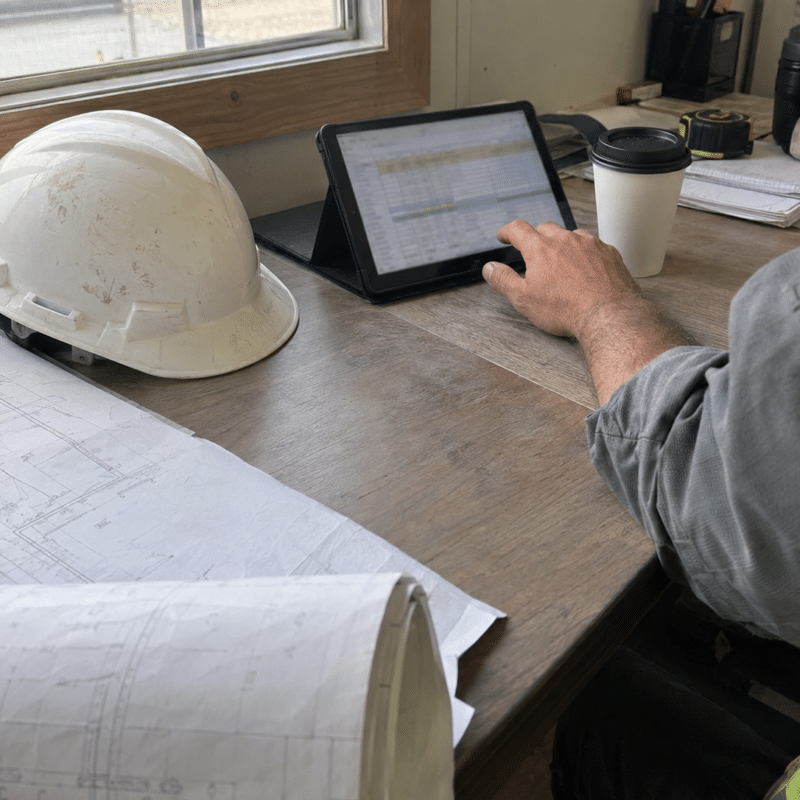
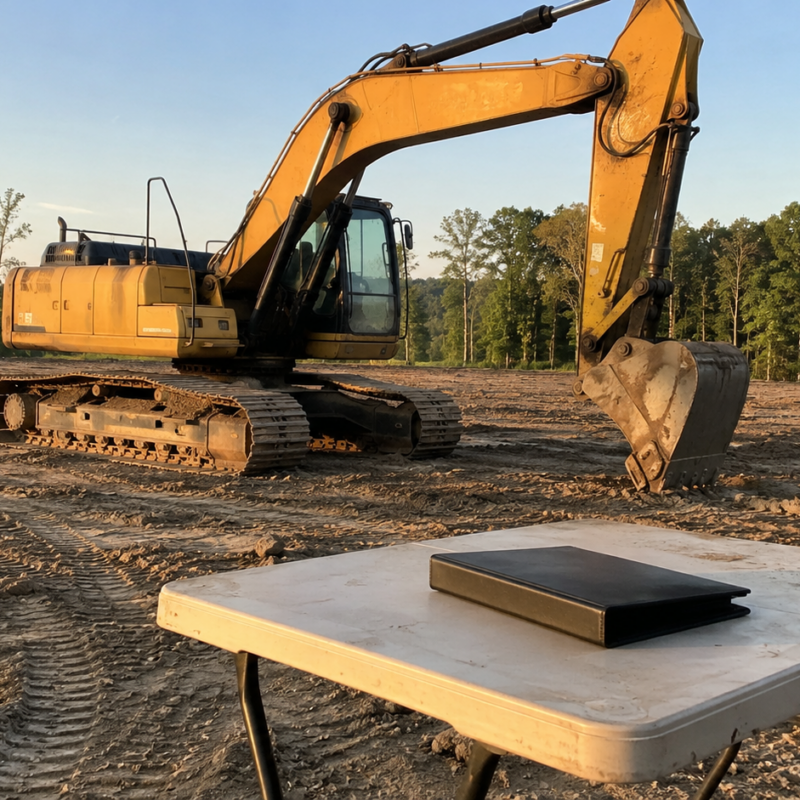
What CFO-Level Support Looks Like in Real Construction Companies

Why Construction Companies Choose Backbone CFO
Most construction owners do not need more reports. They need a finance partner who can connect the numbers to the decisions the business is already making.
A bookkeeper records what happened. A controller improves accuracy and close discipline. A CFO helps leadership decide what to do next.
For construction companies, that means better decisions around cash flow, WIP, backlog, job profitability, hiring, equipment, banking, bonding, and growth.
Backbone CFO helps owner-led construction companies move beyond reactive reporting and build a stronger operating rhythm across Cash, Profit, People, Systems, and Position.

Understand the Current State
Review cash flow, WIP, backlog, job margins, billing timing, debt, banking, bonding, systems, and growth goals.

Diagnose the Financial Control Gaps
Identify what leadership cannot see clearly enough today, including cash timing, underbilling, job profitability, close speed, forecasting, or reporting structure.
Build the Forward-Looking Structure
Create the forecasts, reporting views, dashboards, and leadership rhythms needed to connect finance with operations.
Support Leadership Through Execution
Use strategy sessions, sync calls, forecast updates, accountability, and CFO guidance to keep decisions moving before issues become urgent.
Financial Leadership for the Next Stage of Construction Growth
If your construction company is growing but cash, WIP, backlog, banking, bonding, or forecasting decisions still feel too dependent on the owner, that does not automatically mean something is wrong.
It may mean the business has reached a new level of complexity and the finance seat needs to keep up.
The reports that were good enough at $5M may not support the decisions required at $10M, $20M, or beyond. The bank balance will not explain backlog quality. A delayed close will not help leadership make timely adjustments. Job-level profitability will not improve just because revenue is up.
Backbone CFO helps construction companies build the financial rhythm needed to see what is happening, understand what needs attention, and make better decisions before pressure builds.
Resources for Construction Business Owners



When Does a Construction Company Need a Fractional CFO?
A construction company may need a fractional CFO when revenue reaches $10M+, and the need often becomes stronger as the company continues growing. At that stage, WIP, underbilling, backlog, bonding capacity, banking conversations, cash forecasting, and job profitability can become too complex for the owner, bookkeeper, or controller to manage alone.
What Does a Fractional CFO Do for a Construction Company?
A fractional CFO helps construction leadership use financial information to make better decisions. That can include cash flow forecasting, WIP visibility, job margin analysis, banking and bonding support, forecasting around active contracts and backlog, close process improvement, and decision support across sales, operations, and finance.
Is a Fractional CFO Different from a Bookkeeper or Controller?
Yes. A bookkeeper records transactions. A controller improves accuracy, close discipline, and accounting process. A fractional CFO helps leadership use the numbers to make forward-looking decisions around cash flow, WIP, backlog, job profitability, banking, bonding, capacity, and growth.
How Can CFO Support Improve Construction Cash Flow?
CFO support helps leadership understand where cash is coming from, where it is already committed, and where pressure may build next. In construction, that often includes WIP, billing timing, underbilling, retainage, payroll, vendor payments, debt, job profitability, and growth decisions that move faster than the finance structure.
How Does a Fractional CFO Support Banking Relationships and Bonding Relationships?
A fractional CFO helps construction leadership prepare stronger financial reporting, forecasts, job-level detail, and cash planning for banks and bonding partners. That can include WIP, backlog, job-level revenue and expenses, gross profit by job, inventory, lines of credit, bonding capacity, and forecasts tied to the company’s growth plan.
Can a Construction Company be Profitable and Still Have Cash Flow Problems?
Yes. A construction company can show profit while still feeling cash pressure. Cash can get tied up in WIP, underbilling, retainage, slow billing, payroll, vendor payments, equipment, debt, or active jobs that require cash before they produce it. Profit and cash are related, but they are not the same thing.
How Does a Fractional CFO help with WIP and Job Profitability?
A fractional CFO helps construction companies understand how active jobs are affecting cash, margin, and future decisions. That includes reviewing WIP schedules, underbilling, overbilling, job costs, labor, materials, subcontractors, backlog, and gross profit so leadership can see where profit is being made or lost.