
Restoration companies can look strong on paper and still feel financially reactive.
Emergency work is coming in. Rebuild jobs are moving. Crews are busy. But cash can still get tied up in aging receivables, supplement timing, WIP, job closeout, carrier payments, and work that looks profitable before the money is collected.
Backbone CFO® provides fractional CFO services for restoration companies that need stronger financial leadership around cash timing, job profitability, work mix, forecasting, and growth decisions.
Trusted by growing restoration businesses doing $10M+ in revenue that need structure, clarity, WIP visibility, and financial data owners can actually use.
Why Restoration Growth Gets Harder to Manage From the Bank Balance
Restoration companies rarely feel pressure because nothing is working. Usually, a lot is working at once.
Emergency jobs are coming in. Rebuild work is moving. Adjusters are reviewing scopes. Crews are stretched. The team is busy.
The problem is that the financial picture can lag behind the work. A job may be complete, but the invoice is not out. A supplement may be pending. A carrier payment may be weeks away. A rebuild may look profitable before labor, materials, subcontractors, and collection timing tell the full story.
The bank balance only shows what cash is available today. It does not show which claims are aging, which jobs are waiting on documentation, which work is creating margin, or which receivables may not turn into cash fast enough.
That is where restoration companies outgrow reactive reporting.
Signs Your Restoration Business Needs a Stronger Finance Seat
Growth usually creates more financial decisions before it creates more control. If cash, WIP, claim age, job margins, and production capacity still depend on the owner to interpret, the finance seat may need to mature.

Hiring and equipment decisions feel like guesses
New roles, vehicles, equipment, or locations are being considered without a clear forecast.

Receivables are aging faster than cash is arriving
Carrier payments, adjuster follow-up, and collection timing are creating pressure.

Supplements and scope gaps are hard to track
The team cannot easily see whether the job margin is real until too late.

TPA or program work is creating volume questions
Leadership is not sure whether the margin tradeoff is worth the work.

WIP and job costing are unclear
Mitigation, rebuild, service lines, and job costs are not visible enough to guide decisions.

Revenue is up, but cash still feels tight
Payroll, equipment, vendor payments, and line-of-credit usage are not being viewed together.

The owner is still translating the numbers
Reports exist, but nobody clearly owns the forward-looking finance seat.
These are not signs that the business lacks effort. They are signs the finance function needs to mature with the size, speed, cash cycle, and operational complexity of the company.
What CFO-Level Support Solves for Restoration Companies
Backbone CFO helps restoration owners move from reacting to numbers after the fact to using financial information while decisions are still being made. The work is not just reporting. It is connecting cash, WIP, job margins, receivables, production capacity, and work mix into a leadership rhythm the business can actually use.
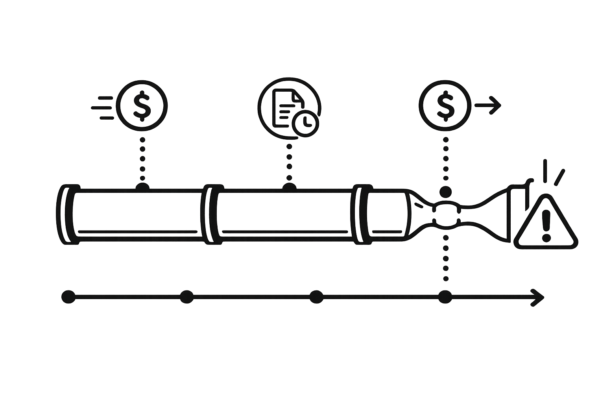
Cash timing and receivables
See which jobs are waiting on invoices, carrier payments, customer collections, supplements, or documentation before cash pressure shows up.
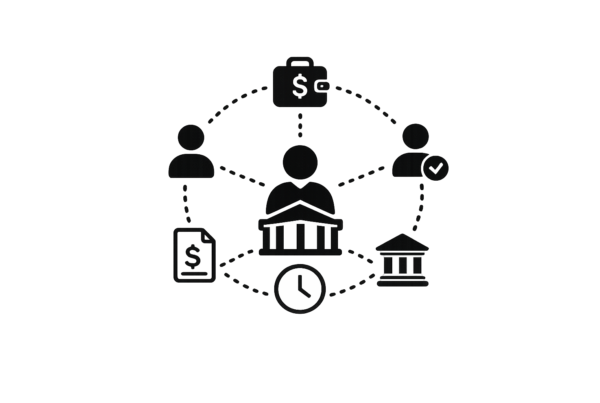
WIP and job profitability
Understand where work is sitting, what costs have already hit, and whether the margin still makes sense as the job moves.
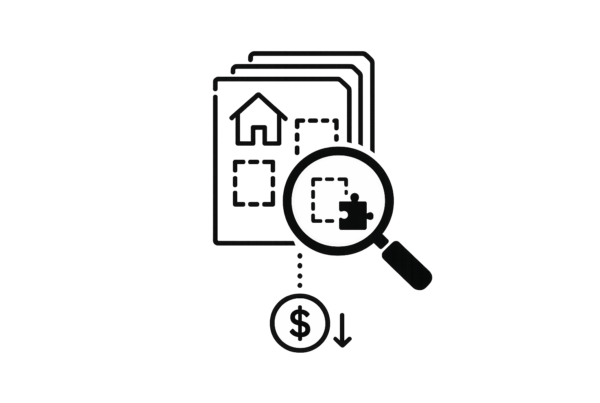
TPA and program work decisions
Evaluate whether program volume is worth the margin, timing, fee structure, and production capacity it requires.
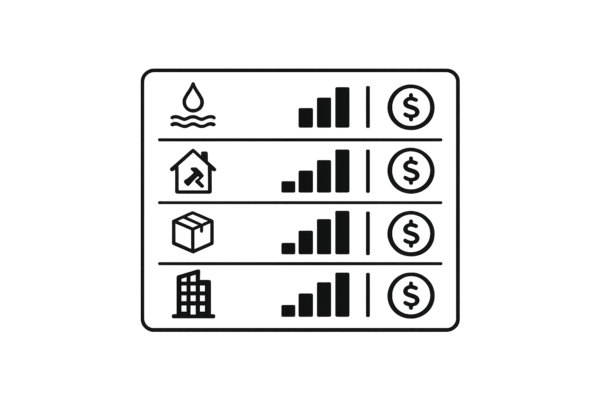
Mitigation, rebuild, and service mix
See how different types of restoration work affect cash, margin, labor, and management capacity.

Forecasting and growth planning
Use forward-looking models to evaluate hiring, vehicles, equipment, debt, storm readiness, and growth goals before committing cash.

Finance team support and owner relief
Support the bookkeeper or controller while giving the owner stronger financial leadership around what to do next.
What CFO-Level Support Looks Like in Real Restoration Companies


Why Restoration Companies Choose Backbone CFO
Most restoration owners do not need more reports. They need a finance partner who can connect the numbers to the decisions the business is already making.
A bookkeeper records what happened. A controller improves accuracy and close discipline. A CFO helps leadership decide what to do next.
For restoration companies, that means using financial information to make better decisions around cash timing, WIP, claim age, supplements, job profitability, TPA/program work, production capacity, and work mix.
Backbone CFO helps owner-led companies move beyond reactive reporting and build a stronger operating rhythm across Cash, Profit, People, Systems, and Position.

Understand the Current State
Review cash, WIP, receivables, job profitability, production capacity, work mix, systems, and growth goals.

Diagnose the Financial Control Gaps
Identify what leadership cannot see clearly enough today, including claim age, cash timing, billing discipline, margin, TPA/program work, or forecasting.
Build the Forward-Looking Structure
Create the forecasts, reporting views, dashboards, and rhythms needed to connect finance with operations.
Support Leadership Through Monthly Execution
Use strategy sessions, sync calls, accountability, forecast updates, and CFO guidance to keep decisions moving before issues become urgent.
Fractional CFO Services for Restoration Companies Should Create Control, Not More Guesswork
If your restoration company is growing, the next stage of pressure may not show up as one obvious problem.
It may show up as delayed billing, aging receivables, unclear job margins, TPA work that creates volume but drags margin, reconstruction work that does not convert to cash fast enough, or leaders making decisions from different versions of the numbers.
Fractional CFO services for restoration companies help owners build the cash visibility, WIP discipline, receivables insight, job profitability clarity, forecasting, and leadership rhythm needed to understand which work supports the business, which work creates pressure, and what needs to change next.
Resources for Growing Restoration Companies





FAQs About Fractional CFO Services for Restoration Companies
What Does a Fractional CFO Do for a Restoration Company?
A fractional CFO helps a restoration company use its financial data to make better decisions about cash flow, WIP, receivables, job profitability, production capacity, work mix, and growth. The role goes beyond reporting past results—it focuses on helping leadership understand what the numbers mean and what actions to take next.
When Does a Restoration Company Need a Fractional CFO?
A restoration company may need CFO-level support when revenue is $10M+ but the owner still lacks a clear, reliable view of cash timing, job margins, WIP, claim age, supplements, TPA/program work, hiring, equipment, or forecasting. The need usually becomes clear when reports exist but decision-making still depends heavily on the owner.
How Can a Fractional CFO Help With Restoration Cash Flow?
A fractional CFO helps restoration companies understand where cash is coming from, where it is delayed, and what may create future pressure. This often includes analyzing carrier payments, customer collections, supplements, claim age, job closeout timing, payroll, vendor payments, equipment costs, and line-of-credit usage.
How Does CFO Support Help With WIP and Job Profitability?
CFO support helps leadership see where jobs stand financially as they move through mitigation, rebuild, billing, supplement review, and collection. This visibility makes it easier to determine whether margins are holding, which jobs are slowing cash flow, and where financial reporting needs to better align with operations.
Can a Profitable Restoration Company Still Have Cash Flow Problems?
Yes. A restoration company can show profit on the P&L while still experiencing cash flow pressure. Cash may be tied up in aging receivables, delayed carrier payments, supplements, WIP, job closeout delays, payroll, equipment expenses, or vendor payments. While profit and cash are related, they are not the same.
How Does a Fractional CFO Help Evaluate TPA or Program Work?
A fractional CFO helps evaluate TPA or program work by looking beyond revenue volume. The key question is whether the work supports margins, payment timing, production capacity, cash flow, and leadership priorities. Some volume strengthens the business, while other volume may create strain.
Is a Fractional CFO Different from a Bookkeeper or Controller?
Yes. A bookkeeper records transactions, and a controller focuses on accuracy, close processes, and accounting discipline. A fractional CFO works at a higher level, helping leadership use financial information to make forward-looking decisions about cash, profitability, people, systems, work mix, capacity, and growth.